
Speaker cable makes a difference only up to a point. It needs to be thick enough for the length of the run, well connected at both ends and wired the right way round. Get those basics right and most listeners will not hear a difference between sensible everyday cable and an expensive one. It also only applies to passive speakers, the kind that take their power from a separate amplifier.
When does speaker cable matter?
Speaker cable carries the amplified signal from an amplifier to a passive speaker. That signal is strong, and the cable’s job is to deliver it with as little loss as possible. Thin cable has more resistance than thick cable, and resistance grows with length. Over a long run, a cable that is too thin can waste some of the amplifier’s power and soften its control over the speaker, which can make bass sound looser.
Over the short runs in most living rooms, the effect of any reasonable cable is very small. The cable matters most when the run is long, the cable is thin or the connections are poor.
If you are not sure whether your speakers are passive or powered, our guide to powered vs passive speakers explains the difference.
What thickness of speaker cable do you need?
Thickness is often given as a gauge, written AWG, where a lower number means a thicker cable. Some cable is sold by the cross-section of its copper instead. Either way, the rule of thumb is simple: the longer the run, the thicker the cable should be.
Short runs, such as a pair either side of a TV unit or on a shelf near the amplifier, are well served by ordinary speaker cable of moderate thickness.
Longer runs, such as speakers across a large room, are worth a step up in thickness.
Low impedance speakers draw more current and also benefit from thicker cable. Check the speaker’s specification if you are unsure.
Plain copper cable from a reputable supplier does the job.
Do good connections matter more than the cable?
Often, yes. A loose or corroded connection can cause more trouble than any choice of cable. Strip the ends neatly, twist the strands so none are loose and tighten the terminals firmly. A stray strand touching the other terminal can short the amplifier output, so take care.
Bare wire can dull over time as the copper oxidises. If the ends look dark, trim them back and strip fresh wire. Banana connectors or spade terminals make secure connections easier and are useful if you move your system around, but neat bare wire works just as well.
Polarity matters too. Each speaker has a positive and a negative terminal, and so does the amplifier. Connect positive to positive and negative to negative on both speakers. Most cable marks one side with a stripe, a colour or text to help. If one speaker is wired the wrong way round, bass can sound thin and the centre image can lose focus.
Should both speaker cables be the same length?
Many people keep the left and right runs the same length so both speakers are treated alike. With sensible cable over normal distances, any difference between two lengths is very small, so it is fine to use different lengths if that suits the room.
Is expensive speaker cable worth it?
For most systems, no. Exotic materials, special weaves and directional arrows are common claims, but the basics of thickness, length and connection quality explain most of what a cable does. If you have money to spend, it usually makes a bigger difference to put it into the speakers themselves, better placement or the room. Our article on what makes speakers hi-fi looks at where quality really comes from, and our guide to where speakers should be placed shows how much position can change.
Good cable does have practical value: a durable jacket, flexible strands and clear polarity markings make installation easier.
Do powered speakers need speaker cable?
Not in the same way. A powered speaker has its amplifier built in, so the run from amplifier to driver sits inside the cabinet and is set by the designer. That removes the long speaker cable runs that passive systems need. Even so, most stereo pairs need a cable between them, because one speaker usually feeds the other.
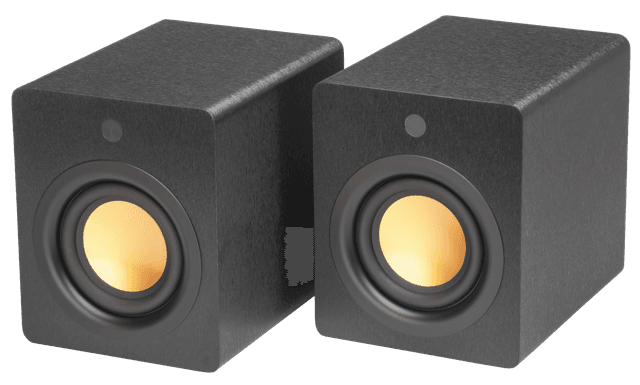
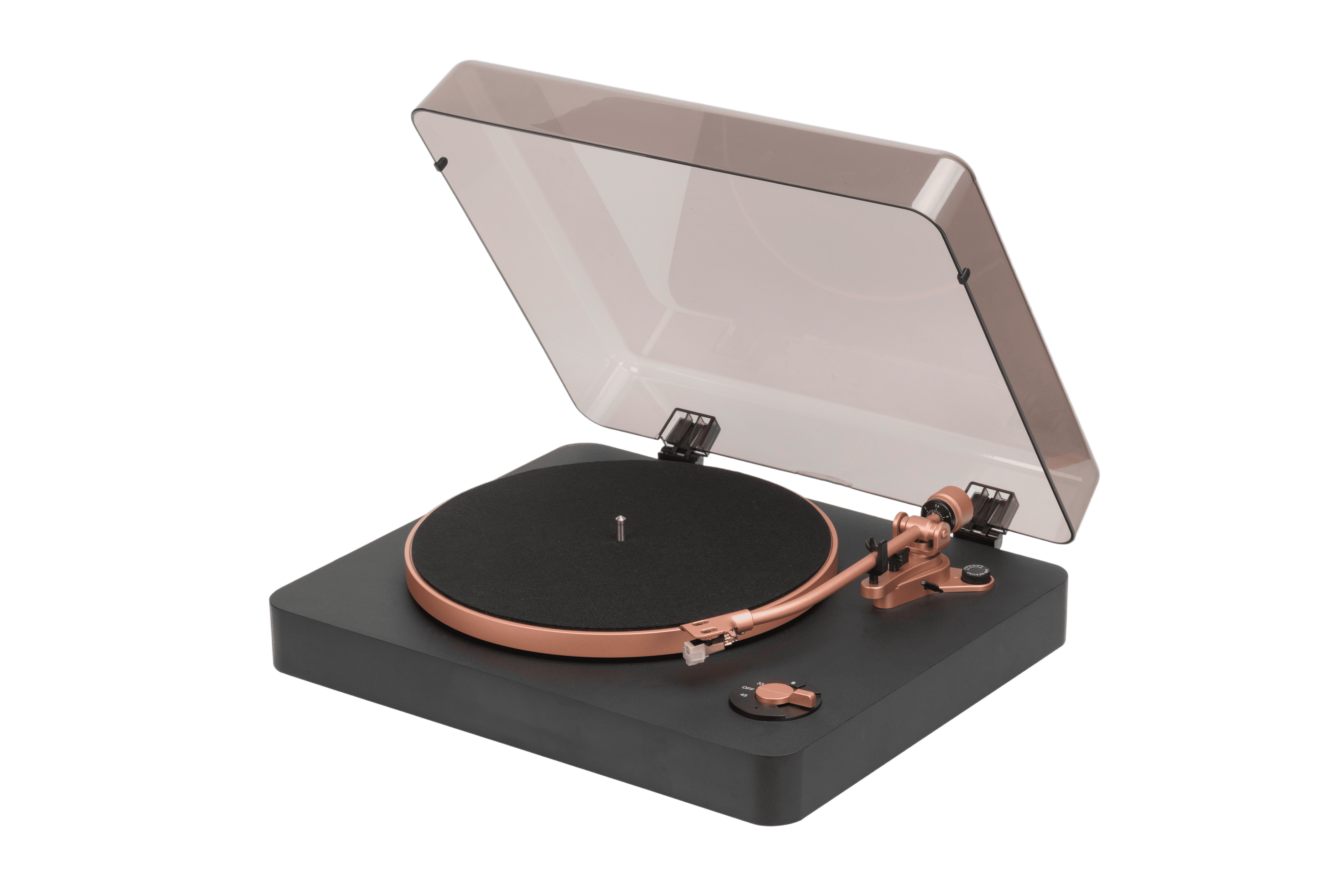
With a pair of uStream Three, uStream Two, uStream One or uStream Cube speakers, there is no wire between the speakers, so each one goes where it sounds best. The uStream Groove, a complete wireless stereo system for your records, takes the idea further, with no wire between the turntable and the speakers, or between the speakers themselves. For more ideas on keeping a system simple, see how to build a simple home audio setup.
Frequently asked questions
Does speaker cable affect sound quality?
Only a little, as long as it is thick enough for the run and well connected. Beyond that, most listeners will not hear a difference.
What speaker cable do I need?
Plain copper speaker cable of moderate thickness suits most short runs. Choose thicker cable for long runs or low impedance speakers.
Is thicker speaker cable better?
Up to a point. Thicker cable reduces losses over long runs, but for short runs a moderate thickness is usually enough.
Do speaker cables need to be the same length?
It is good practice, but not essential. With sensible cable over normal distances, small differences in length are very unlikely to be audible.
Follow Mitchell Acoustics on Facebook, Instagram, YouTube, X, Threads, Pinterest, LinkedIn and TikTok for new uStream guides, setup films and listening tips.