Soundbar vs Stereo Speakers
Your soundbar
Is lying
to you
A soundbar puts every channel in one box under your TV. Stereo speakers give left and right a speaker each, which is how music and film are mixed. Here is the honest comparison, at the same price.
The honest case
The soundbar industry is built on two assumptions: that you won't notice mono, and that you won't check what peak watts actually means. Both are wrong. Here is what the spec sheet should say.
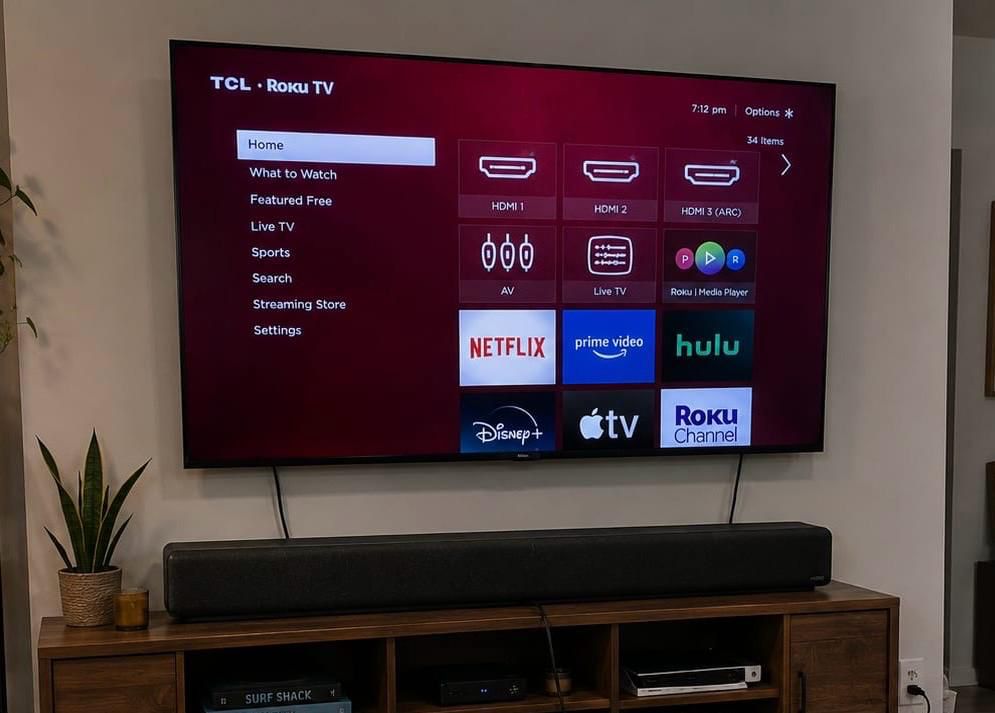
Soundbar
One speaker.
One channel.
A soundbar is a single enclosure with multiple drivers pointed in different directions. It creates the impression of width through reflection and processing. It is not stereo. Music is mixed in two channels, left and right, and a soundbar collapses both into a single source. You are hearing a version of the music. Not the music.
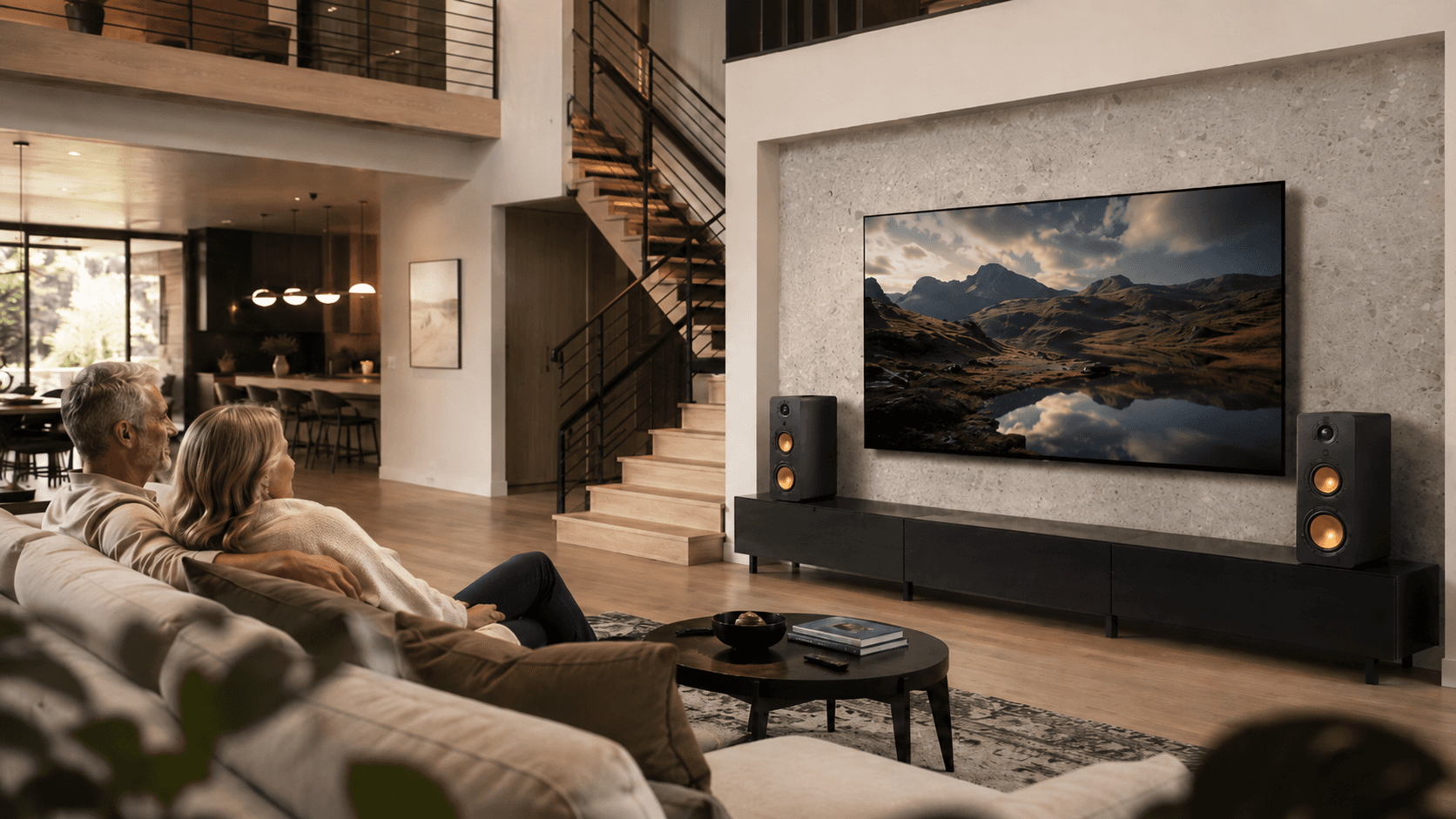
uStream
Two speakers.
True stereo.
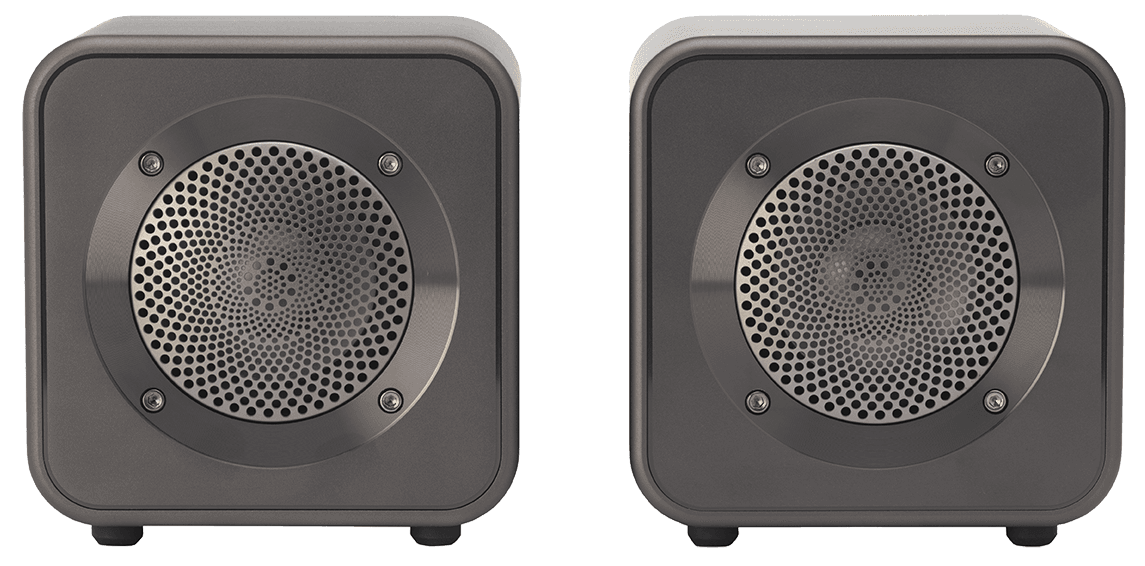
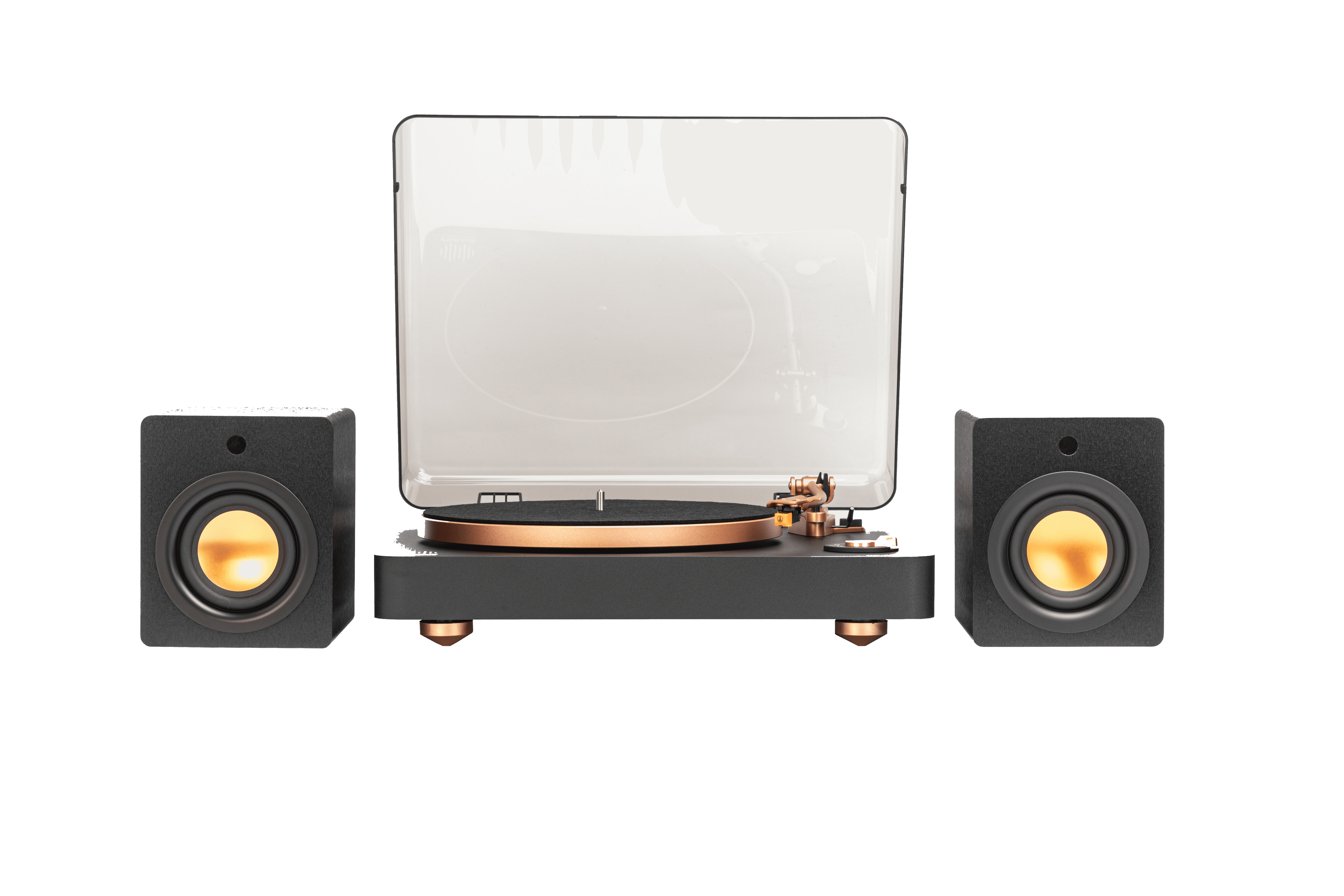
Every uStream speaker ships as a pair. Left and right connect wirelessly to each other the moment you power them on. No cable between them. No processing required to create stereo width: there is genuine physical separation between the two channels, because there are two separate speakers. The stereo field is real.
See it in your room
Enter your room dimensions then switch between Stereo and Soundbar mode. The coverage map tells the story better than any spec sheet. Click anywhere in the room to score that listening position.
Interactive comparison
Pick your price.
See the difference.
Select a uStream model and a soundbar tier at the same price point. Every figure is the honest number: RMS where available, peak watts labelled as peak.
What is RMS, and why does it matter?
RMS (Root Mean Square) power is the continuous output a speaker can sustain without distorting. It’s the figure that predicts real-world loudness, not a marketing one. Peak power is a momentary spike measured for a fraction of a second, and it’s what most soundbars advertise because the number looks far larger. A speaker rated “300W peak” might only sustain 30W RMS. Every wattage figure on this page is RMS, so the comparison above is apples to apples.
Why it matters
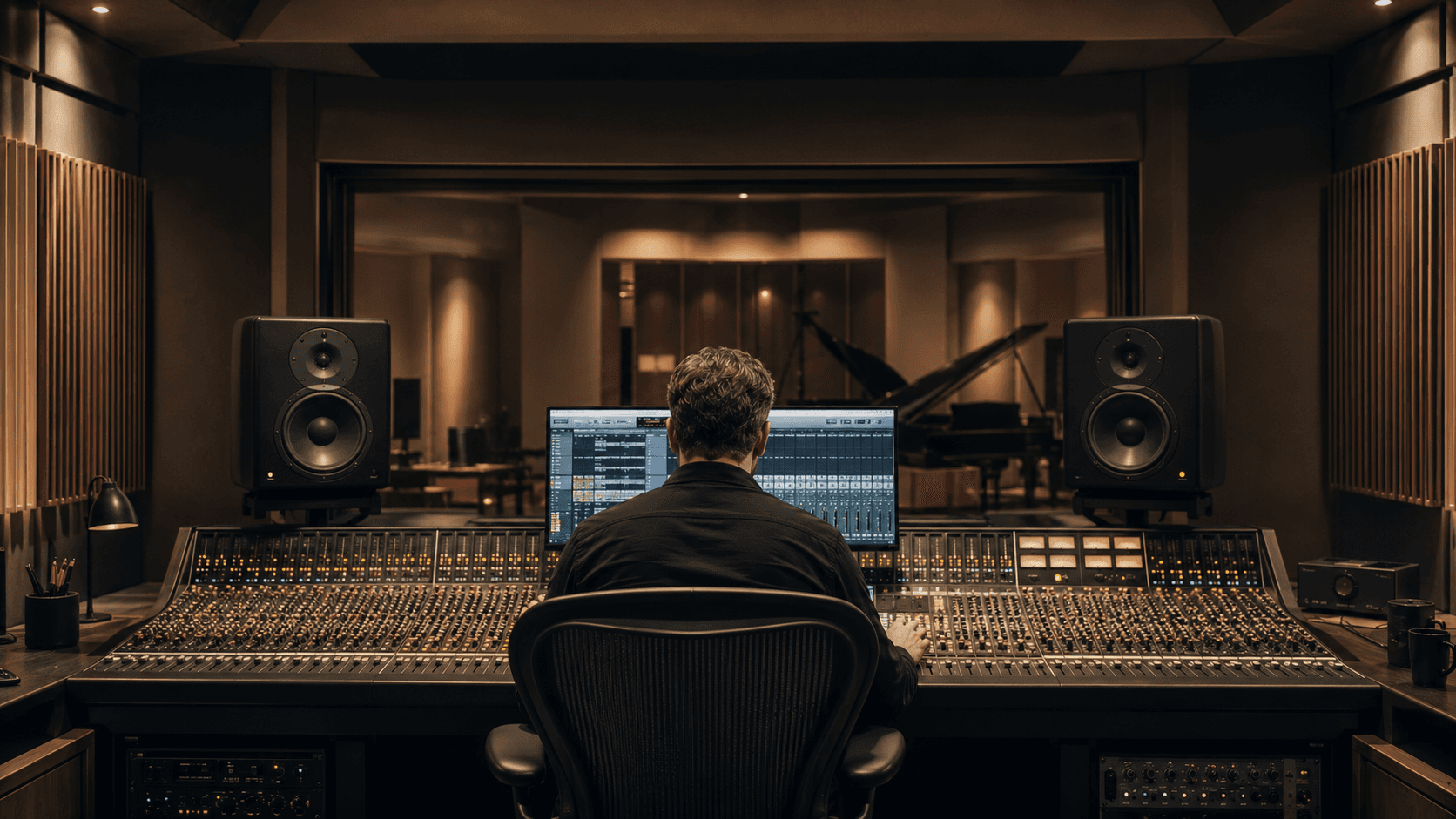
Every album, every film soundtrack, every podcast produced in the last 60 years was mixed by an engineer sitting between two speakers. Here is what you lose when you play it back through one.
01
Instrument separation
In a stereo mix, the guitarist sits left, the vocalist centre, the keys right. In a soundbar, they all converge on a single point. You hear the music, but you lose the space it was recorded in.
02
Vocal clarity
Stereo separation reduces masking: the phenomenon where frequencies from different instruments cancel each other out. With true left and right channels, vocals sit in a clear centre image and never compete with the mix around them.
03
Depth and width
A stereo soundstage has a front, a back, a left edge, and a right edge. A soundbar creates a single horizontal smear. Width is simulated, not real. The depth dimension is lost entirely.
04
Film dialogue
On-screen dialogue is mixed to the centre channel. Stereo speakers reproduce this centre image accurately. A soundbar approximates it from a fixed position, which is why dialogue clarity drops when you are not sitting directly in front.
05
Dynamic range
Stereo amplification distributes the signal between two amplifiers. Each driver has its own headroom. A soundbar combines everything into a single amplifier chain, which compresses dynamics at high volume to prevent distortion.
06
Bass accuracy
Bass frequencies are omnidirectional, but bass content in a stereo mix is panned and mixed with spatial intent. A soundbar reproduces bass as a mono element. Stereo bass is more accurate, more controlled, and sounds complete on its own.
Common questions
Soundbar vs speakers: which is better for TV and music?
Is a soundbar a speaker?
Soundbar or speakers for music?
Do I need to run a cable between the two uStream speakers?
My soundbar is rated at 300W. Why is a 100W uStream One better?
Can I use uStream speakers with my TV?
Will the bass be full enough on its own?
Will they work with Alexa and Google Home?
What is WiiM and do I need one?
The Listening Room
Read more on
stereo and TV sound.
Setup & Care
What are the best kind of speakers for a TV?
The best TV speakers for most rooms are a powered stereo pair on HDMI ARC, with TV remote volume. How soundbars, passive and Bluetooth speakers compare.
Ray McIntosh
Sound Science
Can stereo speakers replace a soundbar for TV?
Yes, a stereo pair can replace a soundbar for TV, once you sort the connection and the volume. Here's what actually changes.
Ray McIntosh

Sound Science
Why stereo still matters
Stereo speakers vs a soundbar: how your ears locate sound, why speaker spacing beats processing, and when a soundbar is honestly the better choice.
Ray McIntosh
Trusted Reviews
"A confident, musically satisfying and refreshingly uncomplicated system"
Bristol Hi-Fi Show
Exhibitor
What Hi-Fi? France (translated)
"Hard to find better value for money today"
T3 France (translated)
"Probably the best Bluetooth speakers you've ever heard"
The uStream range
A speaker for
every room.
From the portable uStream Go to the 240W three-way flagship. Every product is available now with a 2-year no-quibble warranty.
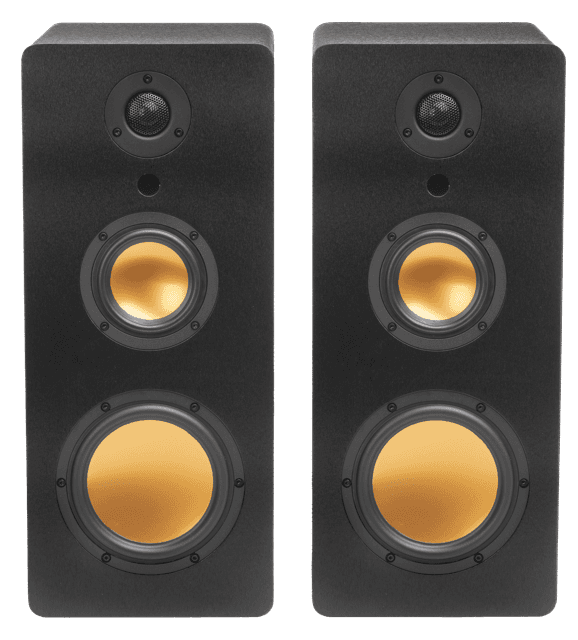
uStream Three
True Wireless Bluetooth Stereo Speaker System · 3-Way Flagship
240W
RMS POWER
BT 5.3
True Wireless
Explore
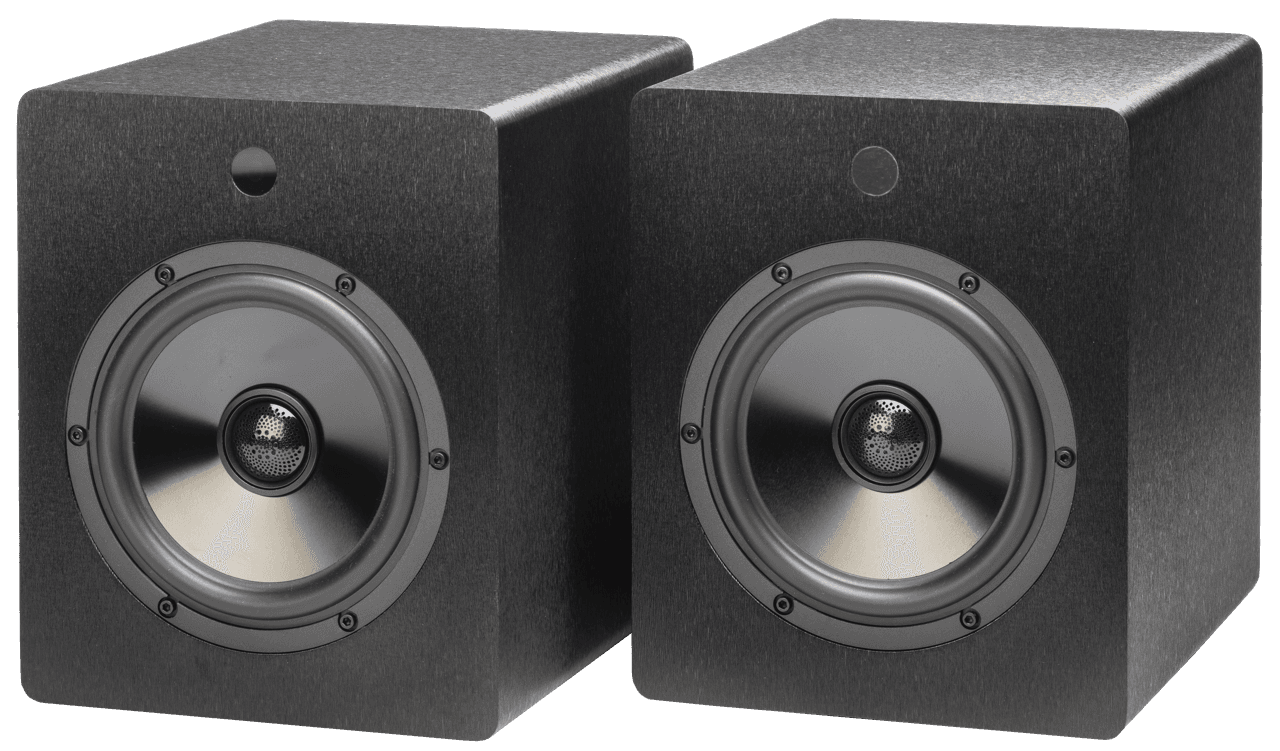
uStream Two
True Wireless Bluetooth Stereo Speaker System · 2-Way Co-axial
160W
RMS POWER
BT 5.0
True Wireless
Explore
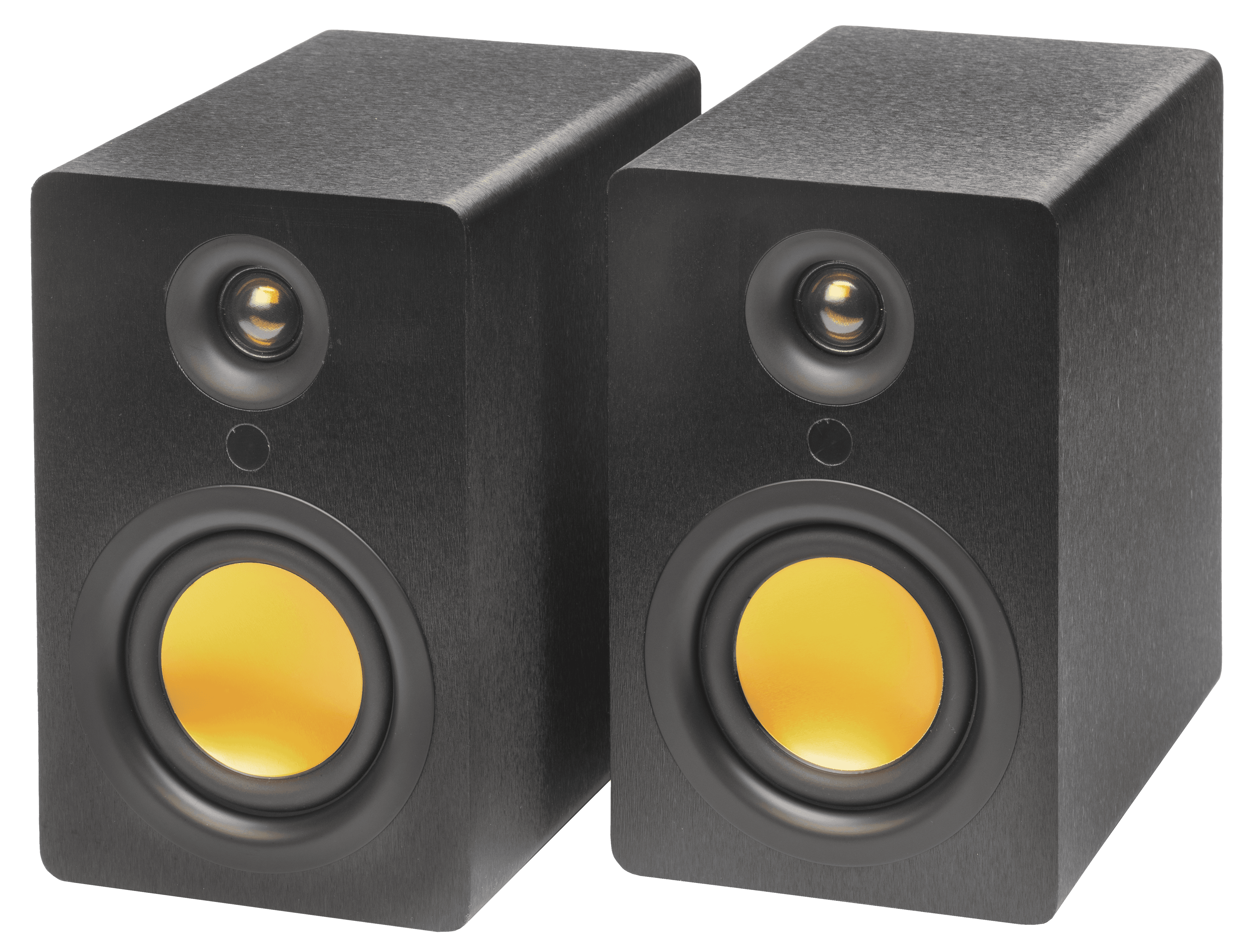
uStream One
True Wireless Bluetooth Stereo Speaker System · 2-Way
100W
RMS POWER
BT 5.3
True Wireless
Explore
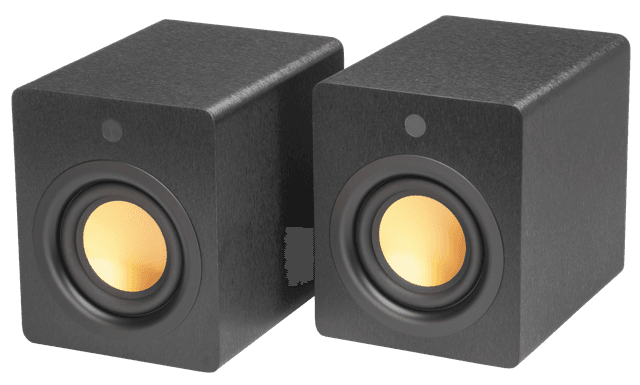
uStream Cube
Your soundbar's replacement is already here.
70W
RMS POWER
BT 5.3
True Wireless
Explore