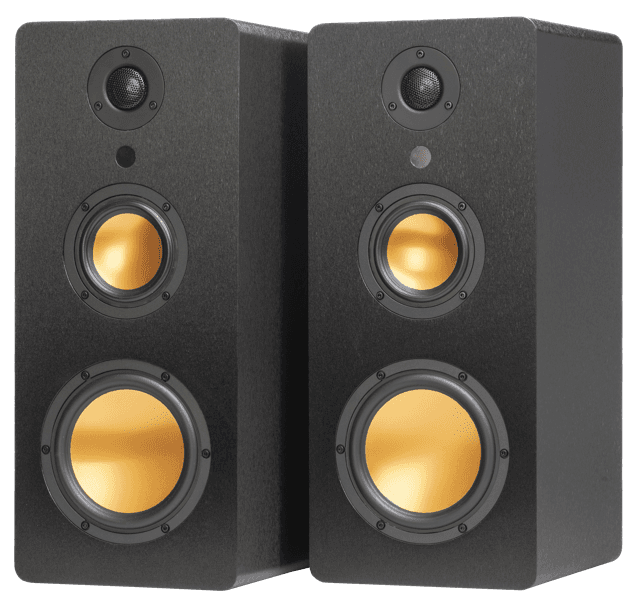
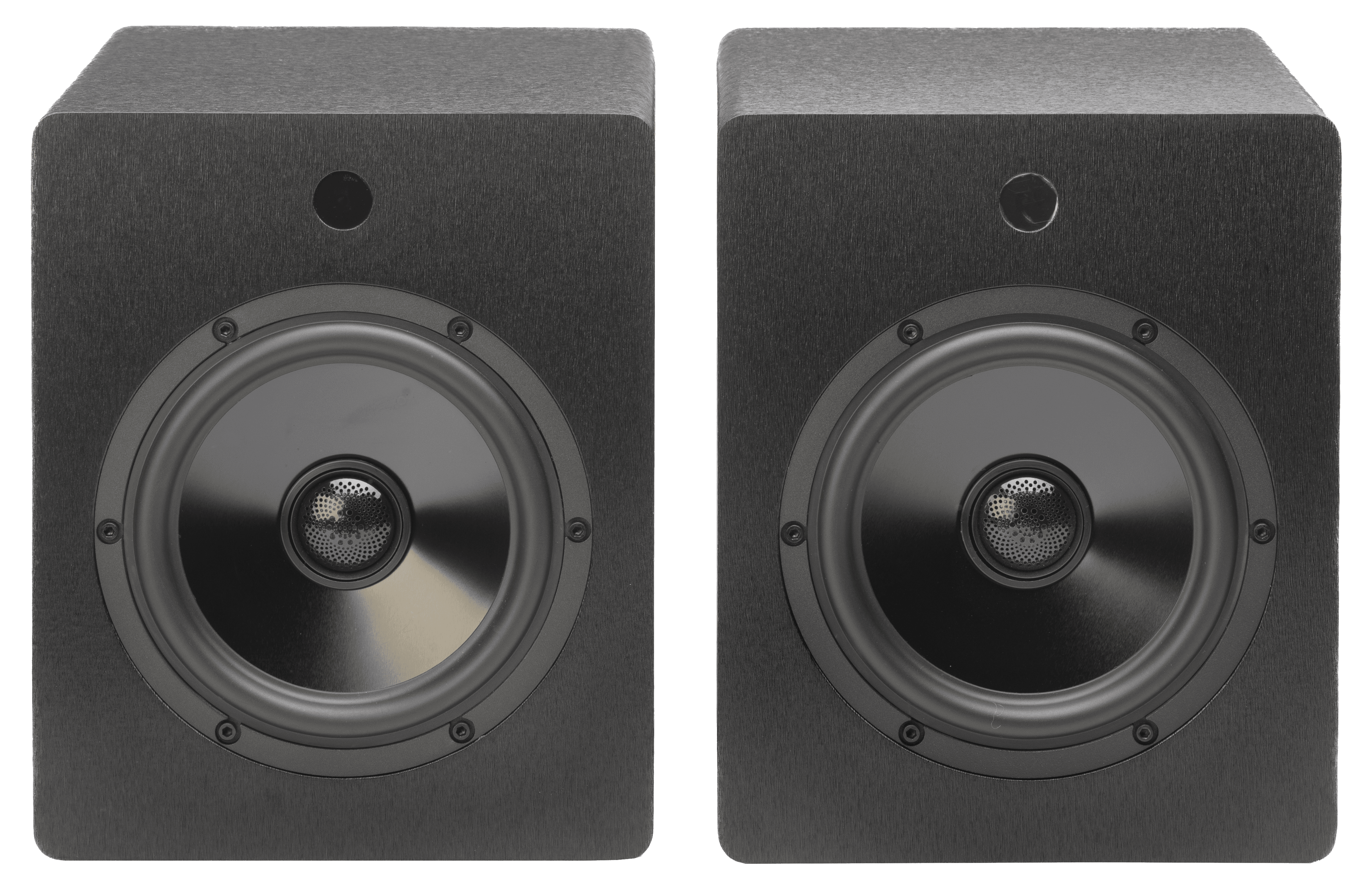
For most living rooms, a good stereo pair either side of the TV gives clearer voices and better music than a budget surround kit. Two well placed speakers are easier to set up and easier to keep in balance. Surround adds rear effects that can be thrilling in a film, but only if you have the room, the patience and the budget to do it properly.
What is the difference between stereo and surround sound?
Stereo uses two channels, left and right. Music has been mixed that way for decades, and your ears use the small differences between the two channels to place voices and instruments between the speakers.
Surround uses more channels. A typical kit has a centre speaker for dialogue, left and right speakers at the front, and a pair of smaller speakers behind or beside you for effects. Each extra channel is another speaker to place, power and connect. Our guide to stereo against mono explains the basics.
Is surround sound better than stereo?
It depends what you play and where you sit. Surround is built for film soundtracks that move sound around you: a helicopter passing overhead, rain behind the sofa. Stereo is built to put a convincing picture of sound in front of you, and it does that with fewer things to go wrong.
Here is where each one tends to win.
Music. Stereo, almost every time. Most recordings are mixed for two speakers, so a surround kit often just plays them through the front pair anyway.
Everyday TV. Stereo. A pair keeps voices anchored to the screen.
Big films in a dedicated room. Surround, if the rear speakers are placed well and set up carefully.
Shared living rooms. Stereo. It asks for less space and fewer compromises.
Why does a budget surround kit often disappoint?
A surround kit spreads its budget across five or more speakers. Unless you spend a lot, each one is smaller and simpler than a single speaker from a pair at the same total price. The front pair, which does most of the work, often ends up being the weakest part of the system.
Setup is the other issue. In a normal living room the rear speakers end up on shelves or in awkward spots, and if the levels are not balanced, effects either vanish or pull your attention from the screen.
Two speakers only need a sensible position. Put one either side of the TV and the sound locks to the picture. Our guide to where speakers should be placed shows how.
Can stereo speakers be used for surround sound?
Not on their own. A pair of stereo speakers has two channels, so it cannot make a true surround mix. What it can do is play a surround soundtrack mixed down to two channels, which your TV does automatically. You lose the rear channels as separate sounds, but dialogue and effects stay clear and in the right place at the front.
Good stereo can also feel wider than people expect, and a pair set up properly gives much of the sense of space people want from surround. Our article on setting up for a better centre image covers how to get it.
What does surround cost in space and effort?
Think about the practical side before the sound.
Space. You need somewhere sensible for a centre speaker, two front speakers and two rear speakers, plus the receiver that drives them.
Cables. Rear speakers usually mean long runs across a room, or a wireless rear kit with its own limits.
Setup. Distances and levels need adjusting, and the settings are easy to get wrong.
A stereo pair needs none of that. Connect it to the TV by HDMI ARC and the TV remote can usually control the volume. If you are choosing speakers, our guide to the best kind of speakers for a TV is the place to start.
When is surround worth it?
Surround makes sense when most of what you watch is big, effects-heavy films, you have a room that can take five or more speakers, and you are happy to spend time on setup. It also suits a dedicated room where the layout can stay fixed.
If that does not sound like you, put the money into a better stereo pair, which also handles music.
If you want a pair that connects to the TV and needs no cable between the speakers, uStream Cube and uStream Two both use true wireless stereo and connect to a TV through HDMI eARC. Whatever you choose, compare power as RMS, not peak. Our explainer on RMS against peak watts shows why, and our comparison of stereo against a soundbar covers the other common choice.
Frequently asked questions
Is stereo or surround sound better for TV?
For most homes, stereo. A pair either side of the screen keeps voices clear and handles music well. Surround is better for effects-heavy films in a room built for it.
Is surround sound better than stereo for music?
Usually not. Most music is mixed in two channels, so stereo plays it as intended. Surround modes add processing that can change how a recording sounds.
Can stereo speakers be used for surround sound?
Not true surround, because two speakers have only two channels. They can play a surround soundtrack mixed down to stereo, which keeps dialogue and effects clear at the front.
Do I need a centre speaker with stereo?
No. Two well placed speakers create a phantom centre between them, so voices appear to come from the middle of the screen. Spacing them evenly either side of the TV and sitting centrally helps.
Follow Mitchell Acoustics on Facebook, Instagram, YouTube, X, Threads, Pinterest, LinkedIn and TikTok for new uStream guides, setup films and listening tips.