For a typical living room, a stereo pair with a modest RMS rating is plenty. Placement and room size matter more than a big number on the box, and only RMS tells you what a speaker can sustain. If a spec sheet gives you one wattage to trust, make it the RMS figure.
What do watts actually tell you about a speaker?
Watts describe how much power the amplifier can deliver, not how good the speaker sounds. RMS is the continuous figure, the power an amplifier can keep producing without distorting. Other wattage figures can describe a momentary spike, which tells you little about a long evening of music or a film.
We cover the difference in detail in why we quote RMS. For this article, the rule is simple: compare RMS with RMS, and check whether the figure is per speaker or for the pair.
Why do you need fewer watts than you think?
Loudness does not rise in step with power. To make a sound clearly louder to your ears, you need roughly ten times the power, so doubling the watts gives only a small step up. That is why a 100W RMS pair is not twice as loud as a 50W RMS pair.
Most of the time a speaker is working at a tiny fraction of its rating. Normal listening in a living room uses a few watts. The rest of the rating is headroom: the reserve that lets a drum hit or a film explosion arrive cleanly instead of clipping.
What matters more than the wattage?
Four things usually decide how loud and clean a pair sounds in your room.
Room size. A larger or open-plan space has more air to fill and more reflections to compete with, so it asks more of a speaker.
Listening distance. The further you sit, the less direct sound reaches you. Sitting twice as far away is a noticeable drop in level.
Sensitivity. A more sensitive speaker plays louder from the same power, so two pairs with the same RMS rating will not always sound equally loud.
Placement. A pair set either side of the TV or seat, at ear height and away from corners, sounds fuller and clearer than the same pair squeezed onto a shelf.
Our guide to where speakers should be placed shows the starting points.
How much RMS power suits your room?
There is no magic number, and anyone quoting one exact figure for every room is guessing. As a plain guide:
A small living room, flat or study: a compact pair has plenty in reserve. You will rarely use more than a fraction of it.
A typical living room: a mid-sized pair gives comfortable headroom for films and music at a sensible volume.
A large or open-plan room: more continuous power and larger drivers keep the sound relaxed rather than strained when you turn it up.
Be wary of choosing on power alone. Driver size, cabinet size and the number of drivers all affect how loud and how deep a speaker plays. Our guide to what size speakers you need for your room goes through those steps, and choosing speakers for a small room covers compact spaces.
Is more power ever worth it?
Yes, in two situations. The first is a big room, where the speakers have to project over a longer distance. The second is if you like to play music loud, because headroom keeps the sound clean at high levels.
Otherwise, extra power does not improve the quality of the sound. A cleanly amplified pair at a sensible level will beat a harsh, overdriven one every time. Spend the difference on a better position and a speaker with a lower bass limit.
How do the uStream speakers compare?
Every uStream pair is listed with its RMS figure for the pair, so you can compare the range directly:
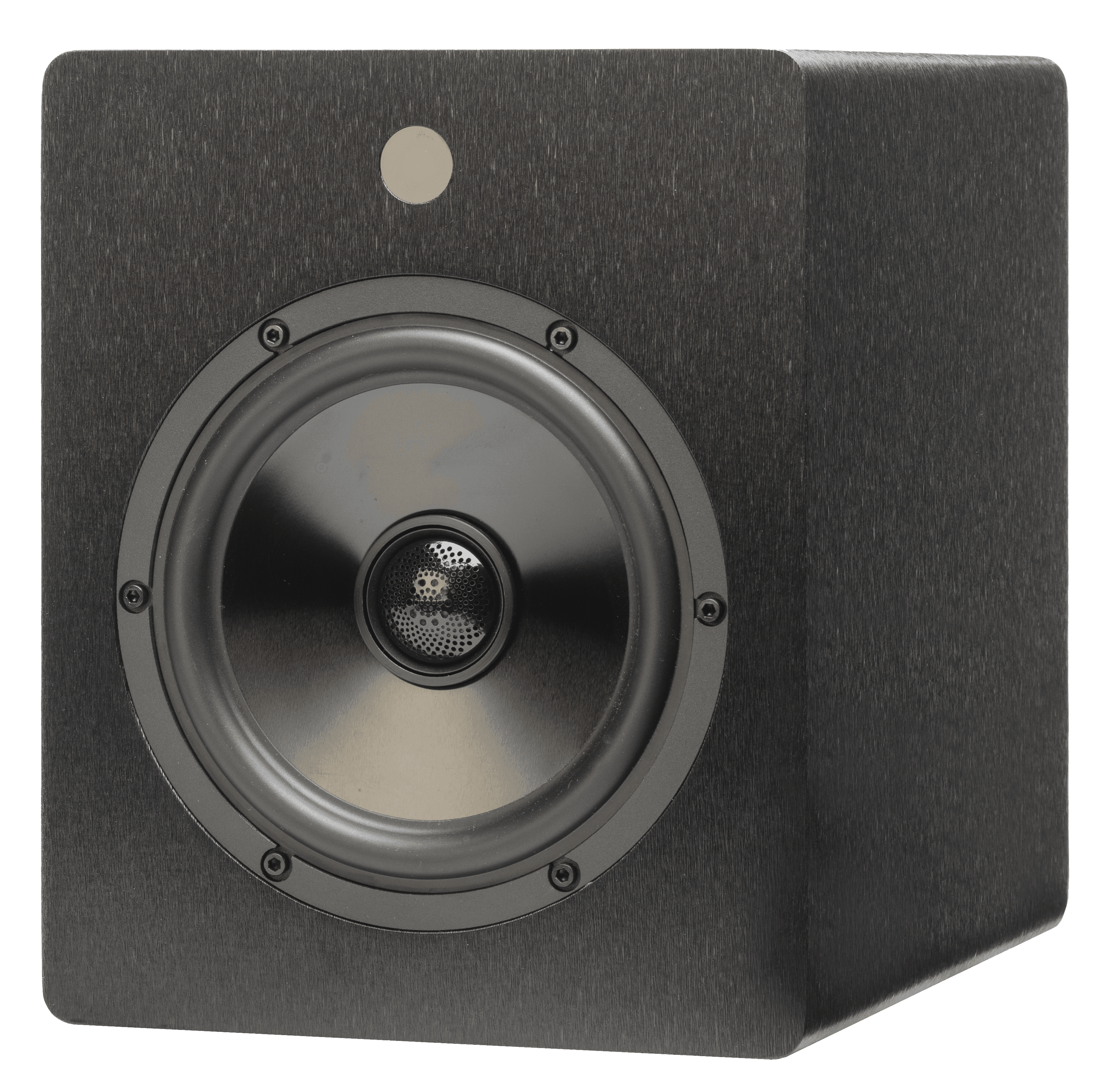
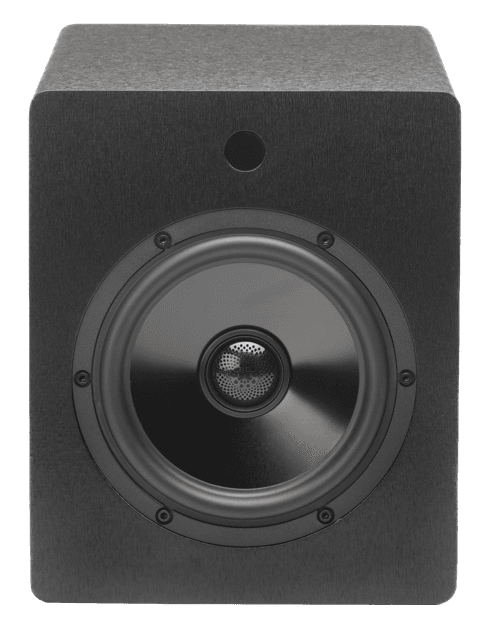
uStream Cube: 70W RMS for the pair.
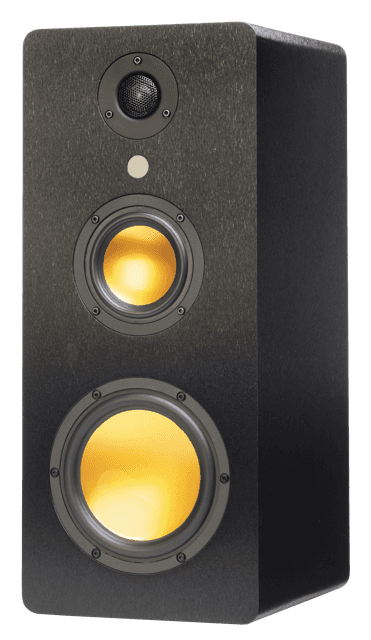
uStream One: 100W RMS for the pair.
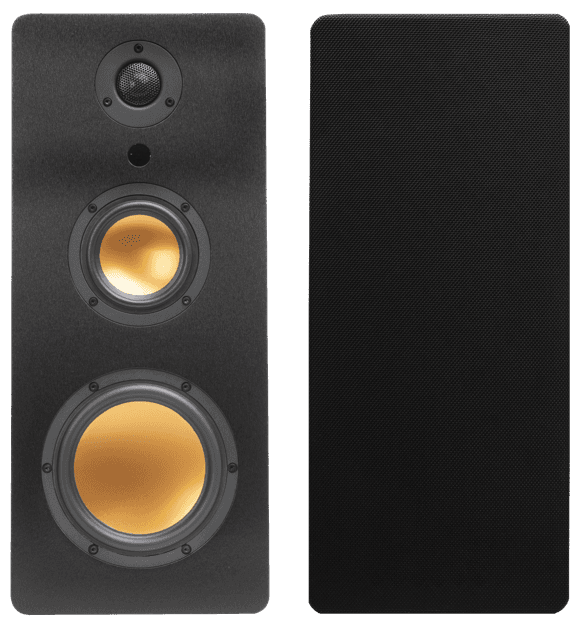
uStream Two: 160W RMS for the pair, which is 80W RMS per channel.
uStream Three: 240W RMS for the pair, which is 120W RMS per channel.
Each is true wireless stereo, with no wire between the speakers. You can compare the whole range on our uStream products page.
Frequently asked questions
How many watts do I need for a living room?
For most living rooms, a pair with a modest RMS rating is plenty. A larger or open-plan room benefits from more continuous power, and a small room needs less.
Is 20 watts RMS loud enough?
For a small room or desk, often yes, because normal listening uses only a few watts. In a bigger living room, or if you sit far from the speakers, you may want more headroom.
What is the difference between RMS and watts?
RMS is a way of measuring watts. An RMS figure is the continuous power a speaker can sustain, while a plain wattage may describe a momentary spike. Always look for the RMS rating.
Do more watts mean louder speakers?
Only slightly. Doubling the power gives a small increase in volume. Sensitivity, room size and distance from the speakers matter as much as the headline number.
Follow Mitchell Acoustics on Facebook, Instagram, YouTube, X, Threads, Pinterest, LinkedIn and TikTok for new uStream guides, setup films and listening tips.